Streamline Your Fleet with Quick Fleet Inspections

Managing a fleet of heavy-duty diesel and alternative fuel trucks, RVs, or buses requires constant attention to maintenance and compliance. One of the most important tasks is ensuring your vehicles meet emissions standards. This can be time-consuming and complicated without the right approach. Quick fleet inspections can simplify this process. They help you stay compliant, reduce downtime, and keep your vehicles running efficiently.
Why Quick Fleet Inspections Matter
Regular inspections save time and money. They catch problems early before they become costly repairs. Quick fleet inspections focus on key areas like emissions, brakes, tires, and lights. This keeps your vehicles safe and legal on the road.
For example, a quick check of your truck’s exhaust system can reveal leaks or damage that affect emissions. Fixing these issues early prevents fines and failed inspections. It also helps your fleet run cleaner and more efficiently.
Quick inspections also reduce downtime. Instead of waiting for a full service, you can identify and fix minor issues quickly. This keeps your trucks on the road longer and improves productivity.

How to Conduct Quick Fleet Inspections Effectively
To get the most from quick fleet inspections, follow a clear process. Here are some steps to consider:
Create a checklist - Include all critical points such as emissions, brakes, tires, lights, and fluid levels.
Train your team - Make sure everyone knows what to look for and how to report issues.
Use mobile inspection tools - These tools speed up the process and improve accuracy.
Schedule regular inspections - Set a routine to catch problems early.
Document findings - Keep records for compliance and maintenance history.
Using these steps, you can streamline your inspections and reduce the risk of missing important issues.
Which Group of Vehicles Does the Clean Truck Check Program Apply To?
The Clean Truck Check program targets heavy-duty diesel trucks, RVs, and buses. It focuses on vehicles that operate in areas with strict emissions standards. These vehicles must pass emissions tests to comply with local regulations.
The program applies to trucks and buses that weigh over 14,000 pounds. It also includes alternative fuel vehicles that meet certain criteria. The goal is to reduce pollution and improve air quality.
If your fleet includes these types of vehicles, you need to stay up to date with the Clean Truck Check requirements. Regular inspections help ensure your vehicles meet the standards and avoid penalties.
Benefits of Using Rapid Truck Check Services
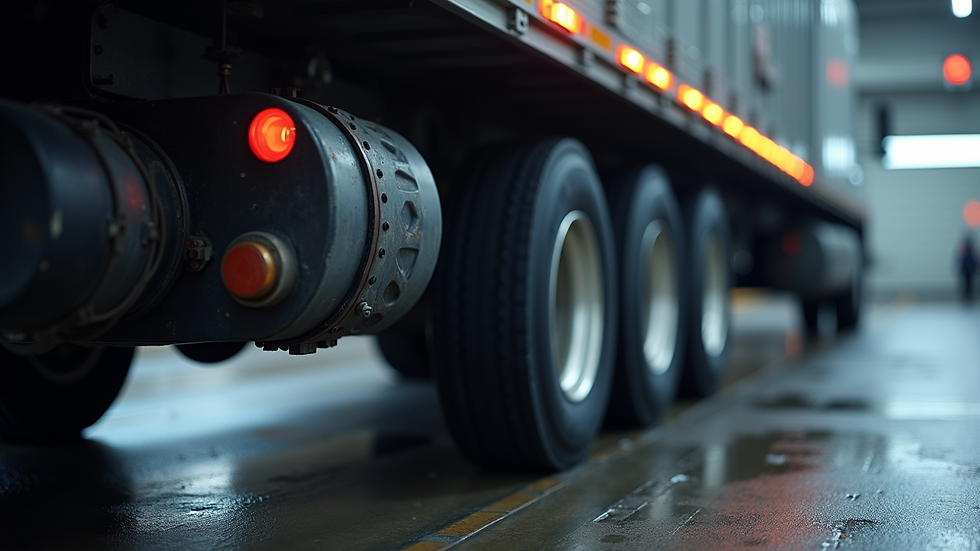
Using professional rapid truck check services can make your inspections easier and more reliable. These services specialize in mobile Clean Truck Check compliance. They come to your location, saving you time and effort.
Some benefits include:
Convenience: Inspections happen on-site, reducing downtime.
Expertise: Technicians know the latest regulations and inspection techniques.
Compliance: Helps you meet all local emissions standards.
Documentation: Provides official reports for your records.
Cost savings: Early detection of issues prevents expensive repairs.
By partnering with a rapid truck check service, you can keep your fleet compliant and running smoothly without disrupting your schedule.
Tips for Maintaining Compliance Between Inspections
Passing an inspection is only part of the process. Maintaining compliance requires ongoing care. Here are some tips to keep your fleet in good shape:
Monitor engine performance regularly to catch issues early.
Keep tires properly inflated to improve fuel efficiency and safety.
Check fluid levels such as oil, coolant, and brake fluid.
Inspect brakes and lights frequently.
Schedule routine maintenance based on manufacturer recommendations.
Train drivers to report any unusual noises or performance problems.
These simple steps help prevent failures during inspections and extend the life of your vehicles.
Planning for Long-Term Fleet Efficiency
Quick fleet inspections are a key part of a larger strategy to manage your fleet efficiently. Consider these long-term actions:
Invest in newer, cleaner vehicles to reduce emissions and maintenance costs.
Use telematics and monitoring systems to track vehicle health in real time.
Develop a maintenance schedule that aligns with inspection requirements.
Stay informed about regulatory changes to avoid surprises.
Build relationships with trusted service providers for inspections and repairs.
Taking a proactive approach helps you avoid costly downtime and keeps your fleet compliant with evolving standards.
Quick fleet inspections are essential for managing heavy-duty trucks, RVs, and buses. They help you meet emissions standards, reduce downtime, and maintain vehicle health. Using professional rapid truck check services can simplify this process and ensure compliance. By following best practices and planning ahead, you can keep your fleet running efficiently and contribute to a cleaner environment.


Comments